Dive Charters in Sarasota & Venice
Scuba and snorkel dive charters off Sarasota and Venice — nearshore reefs and ledges in 20–60 ft, spearfishing option, certification notes, gear, 2026 prices.
At a Glance.
Ranges are ballparks, not quotes — season, group size, route, and fuel all move the number. Call or text us for an exact quote on your dates.
- USCG-licensed captain
- Boat run to nearshore reefs, ledges, and wrecks
- Tank fills for certified divers (snorkel gear option)
- Weights and dive flag
- Ice and drinking water
Typical for this trip type — the exact list is the captain's and is confirmed when you book.
About This Trip.
Dive charters off Sarasota and Venice run certified scuba and snorkel trips to nearshore reefs, ledges, and wrecks in roughly 20 to 60 feet of Gulf water, with a spearfishing option for grouper, snapper, and hogfish where FWC rules allow. Trips carry tanks, weights, and a dive flag; you bring your certification card and personal gear. Prices run about $150–$1,000 depending on snorkel-vs-scuba, private-vs-shared, and tank count.
Ranges, not quotes — season, boat, group size, tank count, and fuel all move the number. Call or text us for an exact quote on your dates.
What is a Sarasota dive charter?
A dive charter runs you out to Gulf structure — artificial reefs, natural ledges, and wrecks — where the fish and the scenery concentrate. Off this coast that structure sits from just off the beach out to the deeper reefs, in 20 to 60 feet of water. Manatee and Sarasota counties maintain public reef systems with published coordinates; see the Manatee County artificial reef program and the FWC statewide artificial reef locator. The boat, tanks, and reef numbers are the value — you’re paying to skip the guesswork and get put on productive bottom.
| Element | Detail |
|---|---|
| Depth | ~20–60 ft (nearshore reefs 20–45 ft; deeper ledges beyond) |
| Format | 2–3 tank scuba, guided snorkel, or spearfishing dive |
| Structure | Artificial reefs, natural ledges, wrecks |
| Certification | Open-water card for scuba; none for snorkel |
| Visibility | Variable — a few feet to 30+ ft depending on wind and swell |
Do I need to be certified, and what gear do I need?
For scuba, yes — bring your open-water (or higher) certification card and dive within your training. For snorkel trips, no certification is needed, and the shallower reefs snorkel well on calm days. Some operators run discover-scuba experiences for first-timers under direct supervision; ask what your group qualifies for.
Gear split, typical for this market:
- You bring: certification card, and ideally your own mask, fins, and dive computer.
- Commonly rented: BCD, regulator, wetsuit — confirm sizes and availability when you book.
- Usually included: tanks, weights, and the legally required divers-down flag.
- Spearfishing: bring your own pole spear or speargun and your Florida saltwater fishing license.
Dive safely, within limits, and know the resources: Divers Alert Network (DAN) for dive safety and insurance, and PADI if you need to certify or refresh before the trip. Florida’s divers-down flag law is not optional — the captain flies it and boaters must stay clear.
Can you spearfish off Sarasota and Venice?
Yes, where legal — and it’s a real draw here. Nearshore reefs and ledges hold gag and red grouper, mangrove snapper, hogfish, sheepshead, and cobia around structure, all classic spearfishing targets. Rules matter and they’re specific:
- A Florida saltwater fishing license is required to spearfish (unless exempt).
- Species rules apply — some fish cannot be taken by spear, and size and bag limits are enforced the same as hook-and-line.
- Area and distance limits restrict spearfishing near swimming beaches, piers, jetties, and inside certain passes and bridges.
- Grouper and snapper have seasons — gag grouper in particular opens and closes on set dates.
Get it right before you get in the water. Start at FWC spearfishing regulations and the FWC recreational saltwater fishing rules, and verify the current-year seasons and limits — they change annually.
| Spearfishing target | Where | Notes |
|---|---|---|
| Gag grouper | Reefs, ledges 30–60 ft | Season-limited; check current dates |
| Red grouper | Deeper reefs and hard bottom | Size and bag limits apply |
| Hogfish | Reefs, rocky bottom | Popular spear target; strict size limit |
| Mangrove snapper | Every reef | Best summer; year-round presence |
| Sheepshead | Structure, wrecks | Winter and spring around pilings |
| Cobia | Markers, rays, reefs | Spring–fall; often free-swimming |
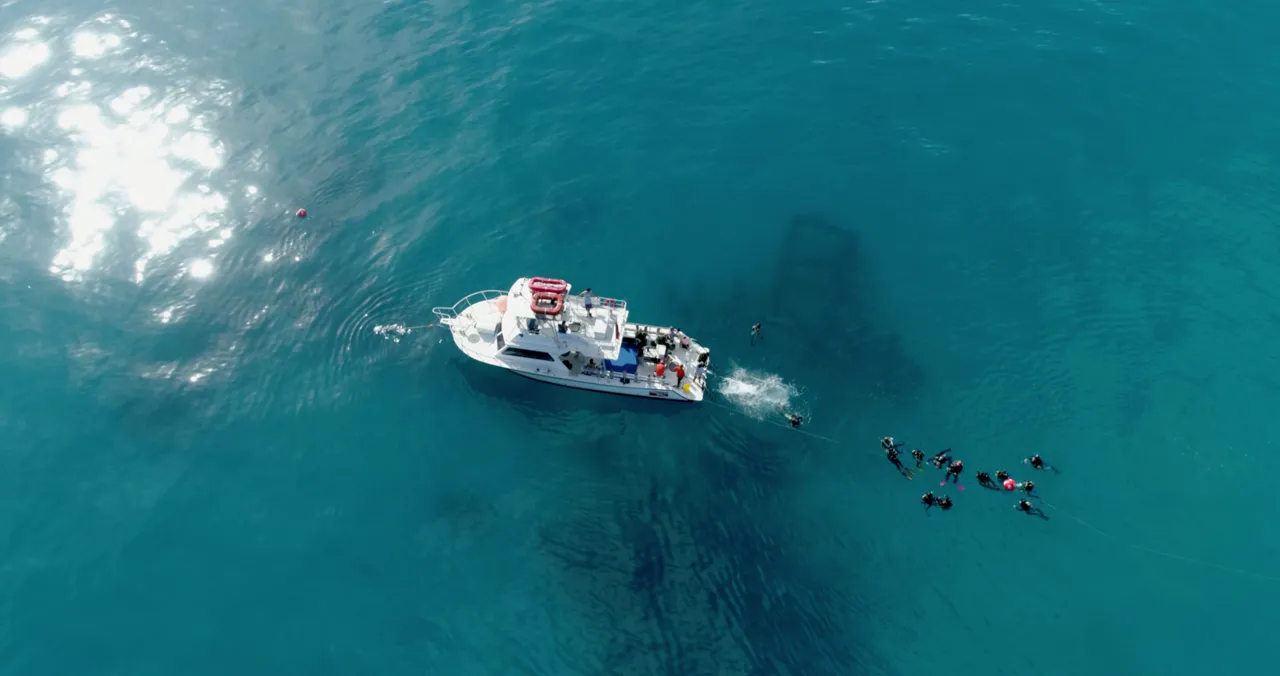
Two or three tanks a trip, on reef the captain already has numbers for.
Who is a dive charter right for?
Certified divers who want reef time without owning a boat or hunting for coordinates. Spearfishers who want to be put on grouper and hogfish ledges. Snorkelers and families on calm summer mornings. And anyone who wants to add a fossil angle — off Venice, the same boats and captains that dive the reefs also work the offshore fossil layer. If teeth are the goal, go straight to the shark tooth dives page. If you’d rather fish the reefs than dive them, the nearshore charter and the offshore charter cover the same bottom with rod and reel.
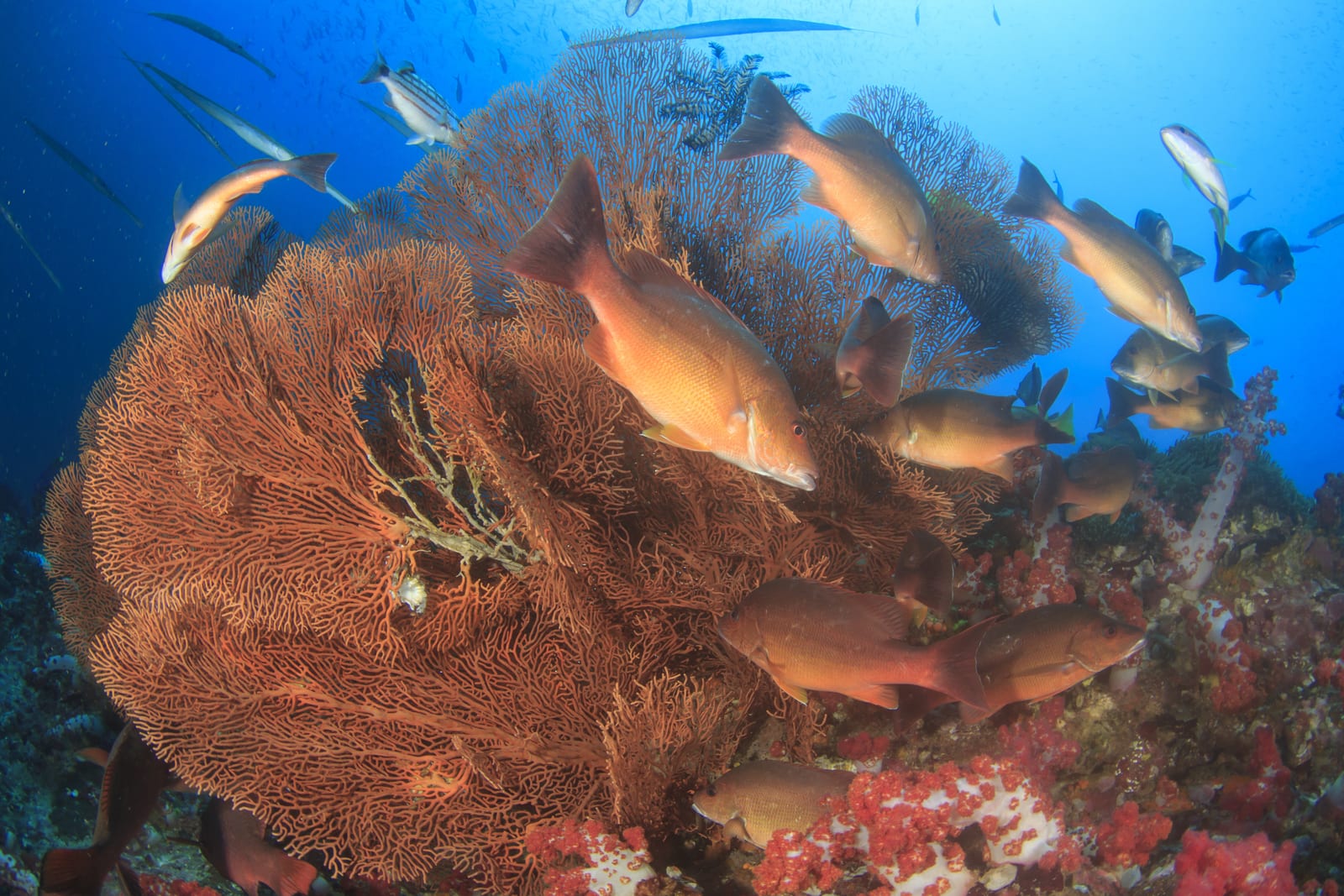
Nearshore ledges hold grouper, snapper, hogfish, and sheepshead.
What is scuba diving in Sarasota like?
Scuba off Sarasota and Venice runs certified divers out to nearshore reefs, ledges, and wrecks in 20 to 60 feet of Gulf water. The depth is forgiving, the structure is thick (old bridges, concrete rubble, Army tanks, barge wreckage), and the fish congregate on the hard bottom. Summer brings the calmest seas and warmest water (80s), while winter dives happen between cold fronts when the swell settles. Visibility ranges from a few feet on a stirred-up day to 30+ feet on a calm, clean one — the captain picks sites based on the conditions and will move or reschedule if the day is blown out. See artificial reefs for the full list of published sites and their GPS coordinates.
Where do you dive off Sarasota and Siesta Key?
Nearshore reefs off Sarasota and Venice start roughly 17 feet deep and go down to 110 feet on the deep D-series sites nearly 30 miles out. Most dive trips hit the mid-range: the V-reefs (17 feet, under a mile off Venice Inlet), the M-series (30–65 feet), and structures like the old Alan Fisher reef (30 feet, New Pass Bridge pilings). The signature site is the Fallen Heroes / CWO Kyle Jackson Trail — five Army tanks, a landing craft, and boxcars in 65 feet, about 12 miles from New Pass. Off Venice, the same dive sites and boats access the offshore fossil layer at 18–35 feet, half a mile off the beach — shark-tooth diving charters put you on the Boneyard, where divers spot megalodon teeth and marine fossils alongside live fish. Coordinates and bearing for every site: artificial reefs.
Siesta Key and the Ringling Causeway area have bay and nearshore reefs with published coordinates. For area detail on both Sarasota and Venice launches, see those location pages.
How deep are the Sarasota dive sites?
Nearshore reefs cluster in three depth bands:
- Shallow (17–25 ft): V-reefs off Venice Inlet (17 ft), some Sarasota bay reefs (7–21 ft). Quick runs, good for entry-level divers, heavy snapper and sheepshead.
- Mid-depth (30–45 ft): Alan Fisher reef (30 ft), M-series sites (30–65 ft), Gary Serviss and Tom Wallin (42 ft). The prime grouper and hogfish zone, forgiving depth, moderate bottom time.
- Deep (50–110 ft): Fallen Heroes (65 ft), M9 with Army tanks (61 ft), D-series sites (100–110 ft). Requires more experience, longer bottom time planning, and richer structure concentrations.
Most recreational dives stay in the 20–60 ft window where decompression is straightforward and the fish are heaviest. Artificial reefs lists every site’s exact depth; pull the numbers before you run.
When is visibility best for diving in Sarasota?
Gulf visibility here is ruled by wind and swell, not the calendar. Calm days after a cold front deliver the clearest water — the post-front cleanup can push visibility to 30+ feet. Summer, when the Gulf lays flat for weeks, offers long stretches of clean diving. Churned, post-storm days look bad but they’re actually the opposite: wave action re-sorts the bottom and pulls fresh fossil material shoreward, so they can be excellent for shark-tooth dives on the Boneyard. Winter dives happen between fronts when the swell settles. Check NOAA/NWS Tampa Bay conditions the day of, and let the captain guide the site choice — visibility moves fast out here, and a run 8 miles out can find glass-clear water while a quick nearshore site is soup. On a low-vis day, you’re hunting structure close; on a 30-footer, fish appear at distance.
What will you see underwater?
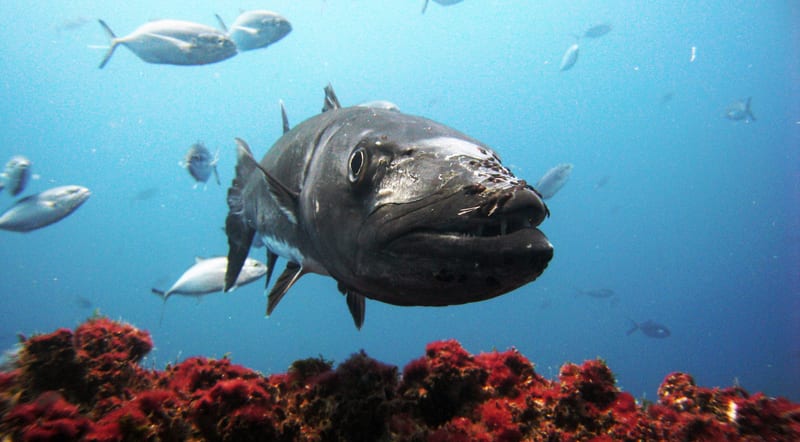
Nearshore reefs and ledges hold gag and red grouper, mangrove snapper, hogfish, sheepshead, and cobia, plus tarpon, rays, sea turtles, and sharks (lemon, bull, tiger, blacktip). The fish cluster on the hard bottom — concrete rubble, bridge pilings, culverts, limestone boulders, Army tanks, and barge wreckage all serve as fish apartments. Seasonal shifts matter: grouper season opens and closes on set FWC dates, snapper are more active in warm summer water, and sheepshead congregate around structure in winter. Off Venice’s deeper sites, the same reefs expose the fossil layer where black-mineralized shark teeth and marine shell fossils lie on the seabed — many divers pocket a tooth or two as a souvenir alongside the live-fish viewing. On a clear-water dive you spot fish at distance; in 5 feet of vis you’re scanning structure intimately. See the gag grouper, mangrove snapper, and mangrove snapper pages for detail on the top targets.
When is the best time to dive here?
Summer is prime: the Gulf lays down flat, water warms into the 80s, and clarity peaks on clean, low-wind days. Winter dives happen between fronts, when the swell settles and visibility cleans up. The real variable is wind and swell, not the calendar — the captain picks sites to match the day.
| Season | Conditions |
|---|---|
| Dec–Mar | Cooler, dives between fronts; wetsuit weather, cleaner post-front water |
| Apr–May | Warming, calming; grouper and snapper active on the reefs |
| Jun–Aug | Best clarity and calmest seas; book early to beat afternoon storms |
| Sep–Nov | Warm water, lighter crowds; tropical swells can stir the bottom |
Check conditions at NOAA/NWS Tampa Bay before your date. For the reef ecology and the science behind this coast, Mote Marine Laboratory in Sarasota is the local authority.
Different boats and captains price differently, and rates and availability change constantly — text us for current, accurate pricing on your dates.
Ranges, not quotes — the boat, the captain, and the season all move the number, and we work with everything from budget-friendly operations to high-end boats with specialist captains. If price is the limiting factor, tell us and we will find something that fits. Full breakdown: charter prices guide.
Related
Off Venice, dive charters and shark tooth dives run from the same inlet — many divers do both in a weekend, and the shark-tooth diving guide covers the fossil side in full. Prefer fishing the same structure? See the nearshore charter and the offshore charter. Species detail for the spearfishing targets lives on the gag grouper, red grouper, mangrove snapper, sheepshead, and cobia pages. For the towns these boats launch from, see Venice, Casey Key, and Englewood / Manasota Key.
On the Water.
What the bottom looks like down there — reef fish, sharks, and the fossil layer.
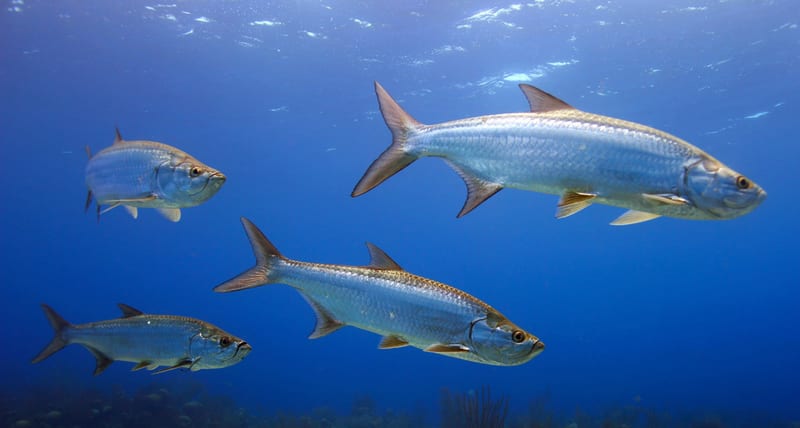
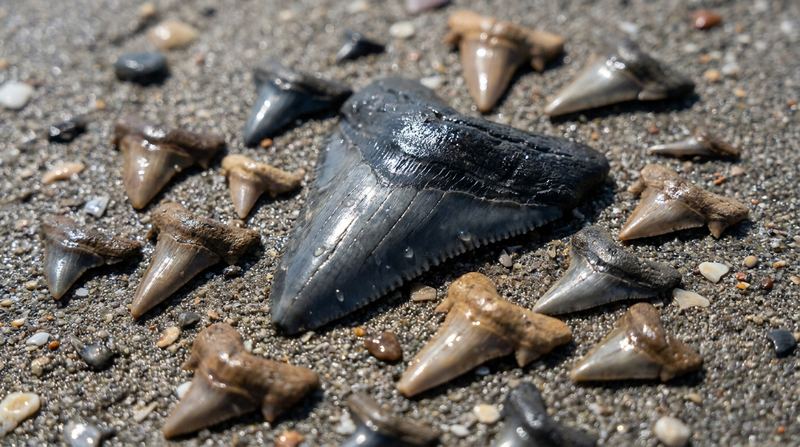
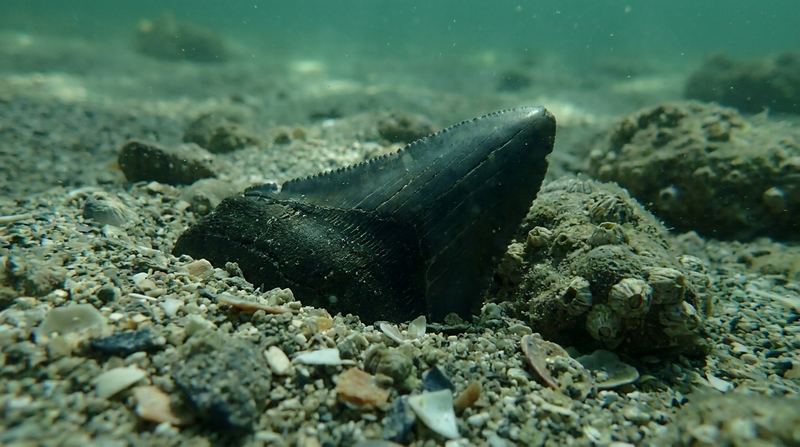
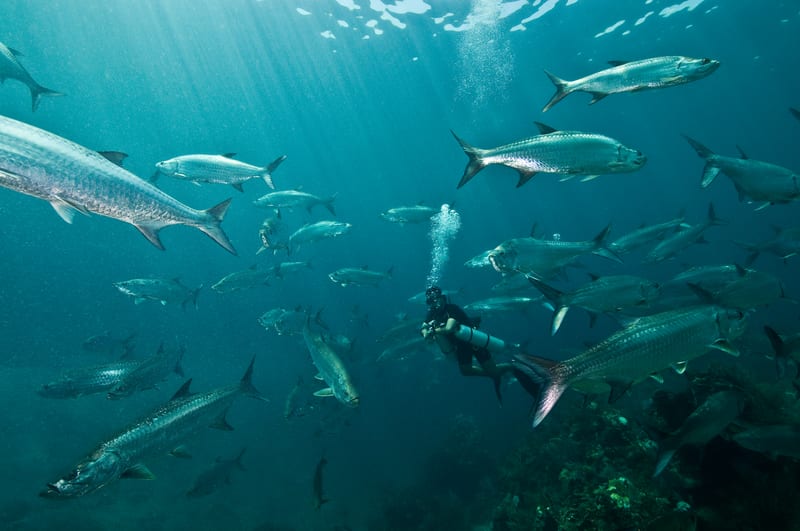
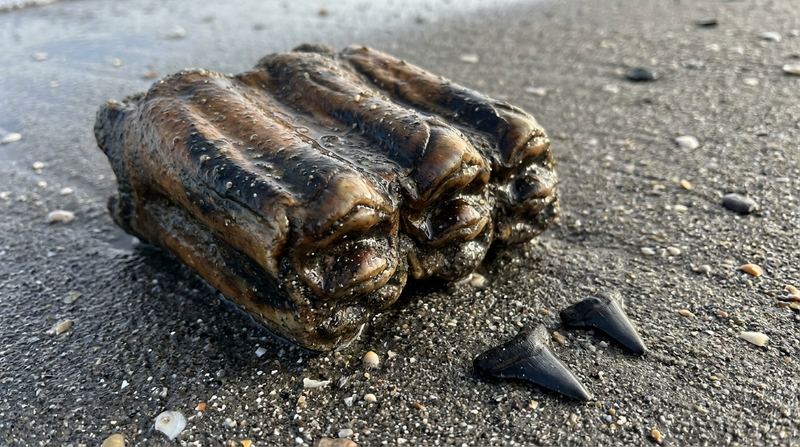
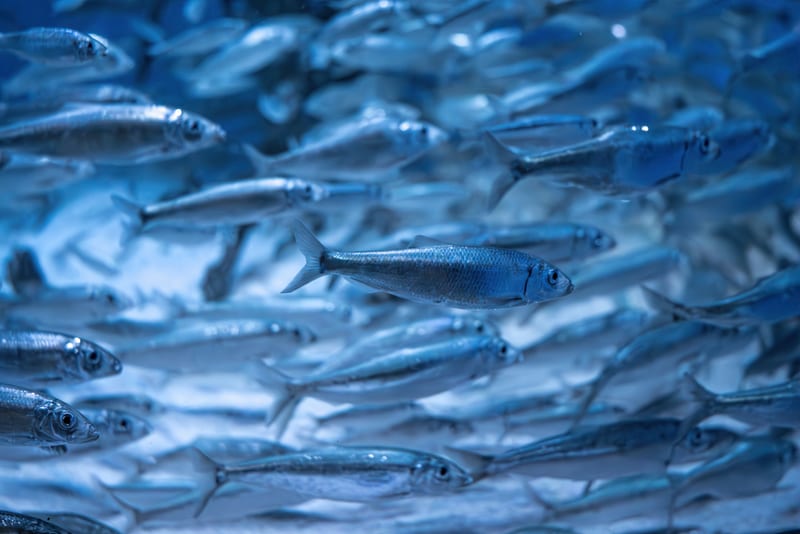
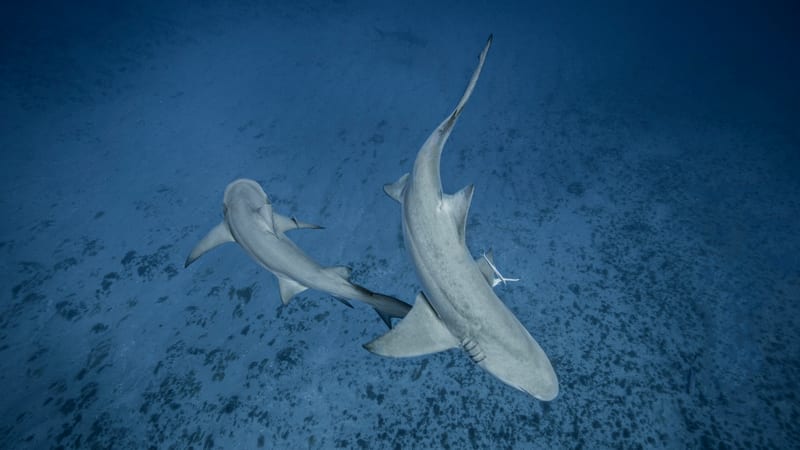
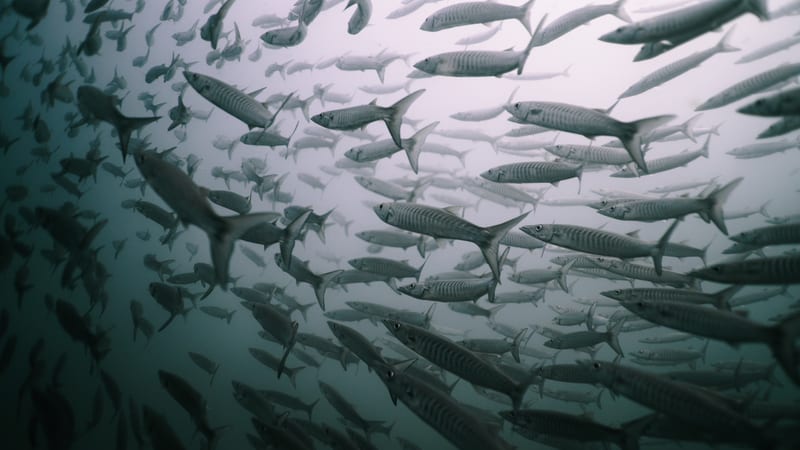
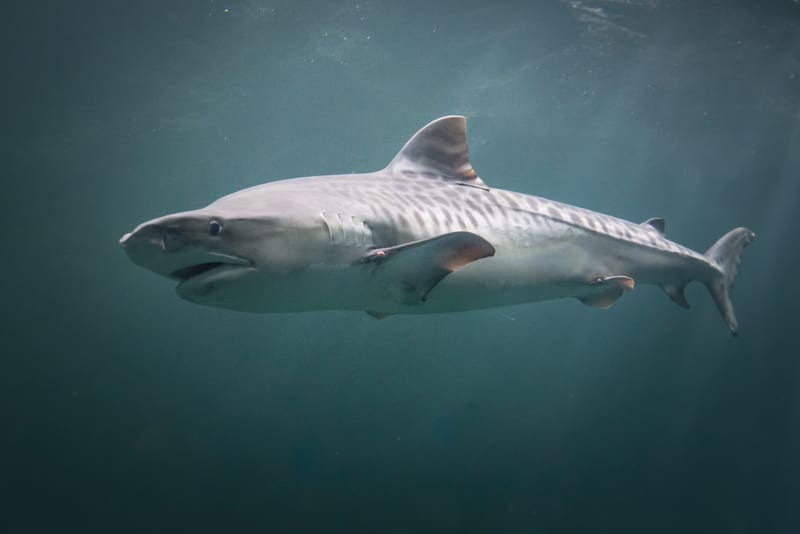
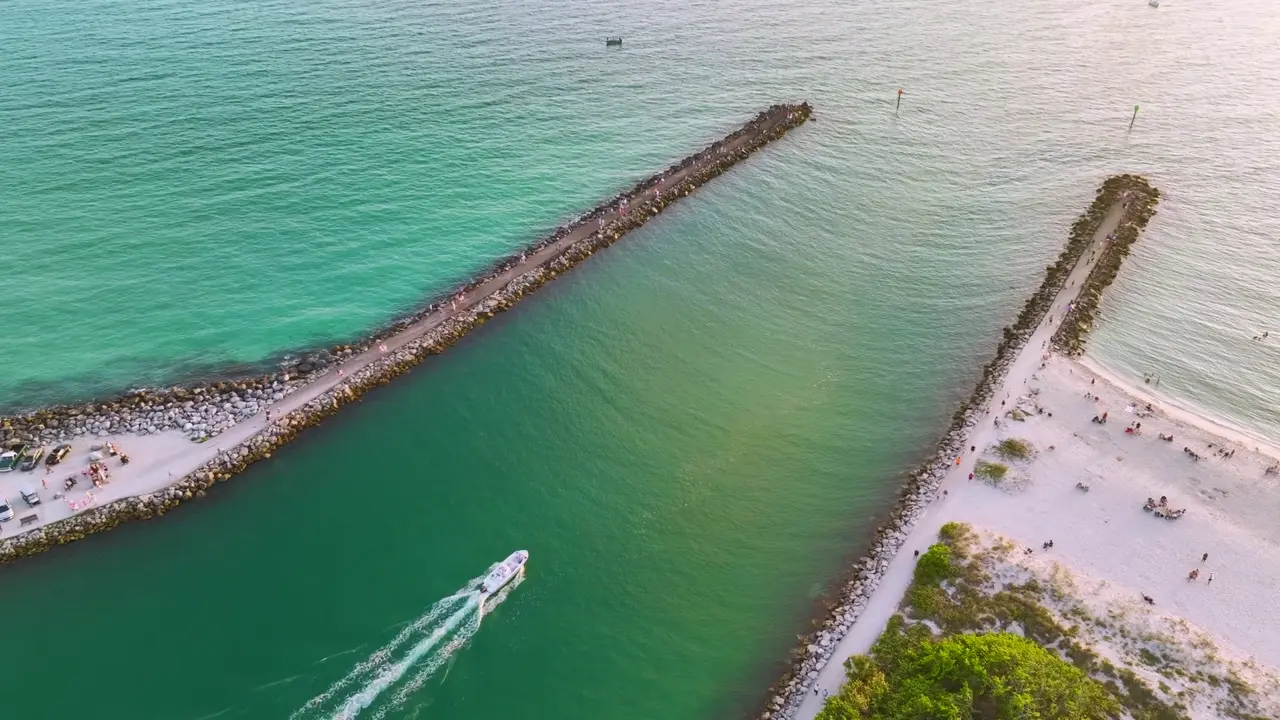
Reefs and ledges in 20 to 60 feet — grouper, snapper, hogfish, fossil teeth.
FAQ.
Do I need to be scuba certified for a dive charter?
Can you spearfish on a dive charter here?
What will we see and catch on the reefs?
How is the visibility off Sarasota and Venice?
What should I bring versus what's provided?
Book This Trip.
Send an inquiry pre-filled for the dive charters and we'll match you with the right captain for your group — or call and talk it through first.