Tarpon
Charters.
80–150 lb fish off the Sarasota beaches and in the passes, plus Boca Grande — the Tarpon Capital of the World — thirty minutes south. The one trip anglers plan their whole year around.
Chrome, Air,
and a Screaming Reel.
A tarpon trip is its own thing — a hunt along the beaches at first light, a stakeout on the pass tides, or the night bite around the bridges. You sight-cast a live crab to a rolling hundred-pounder, it eats, and then it's in the air. This page is about the trip: what to expect, when to book, and how it works. For the fish itself — biology, spots, hill tides — we wrote the whole thing.
- Heavy spinning or conventional tarpon tackle
- Live bait — crabs, threadfins, pilchards
- Fishing license coverage for everyone aboard
- Ice, water storage
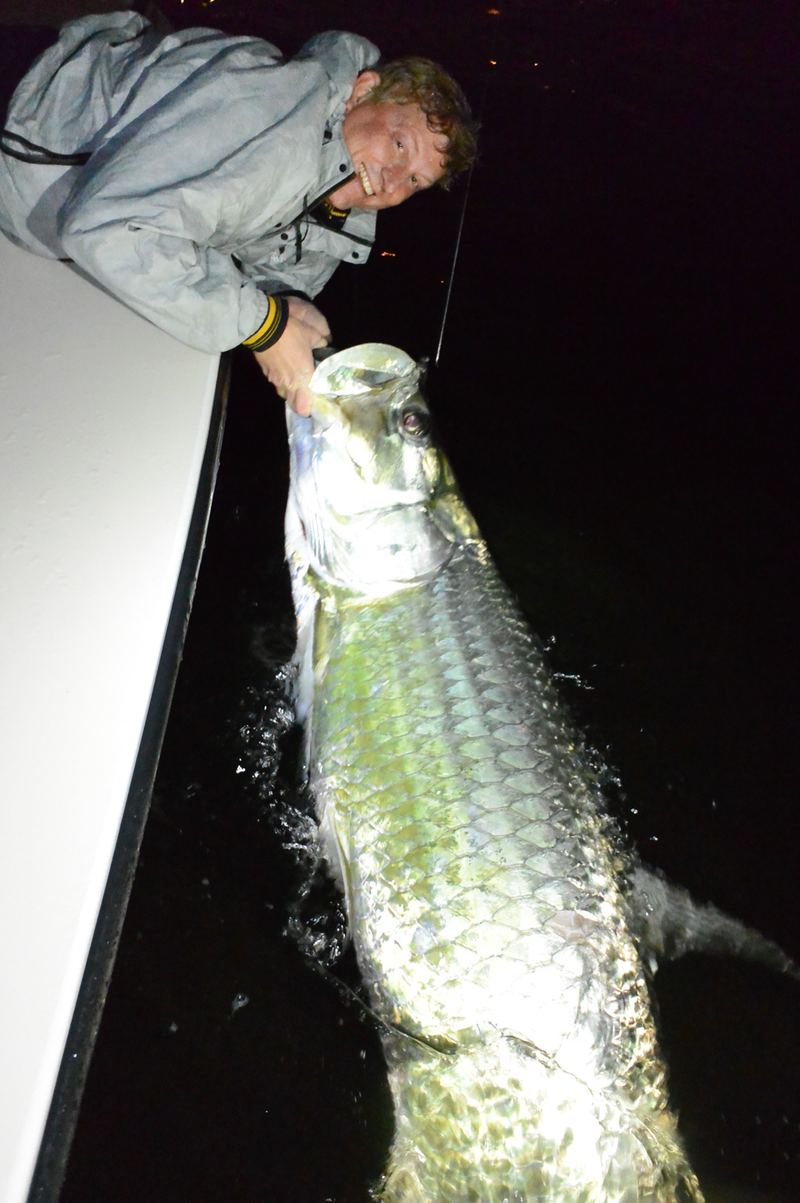
- Boat-side photos of your fish
Typical for this trip type — the exact list is the captain's and is confirmed when you book.
Ranges are ballparks, not quotes — Sarasota vs. Boca Grande, peak weeks, and boat all move the number. Call or text us for an exact quote on your dates.
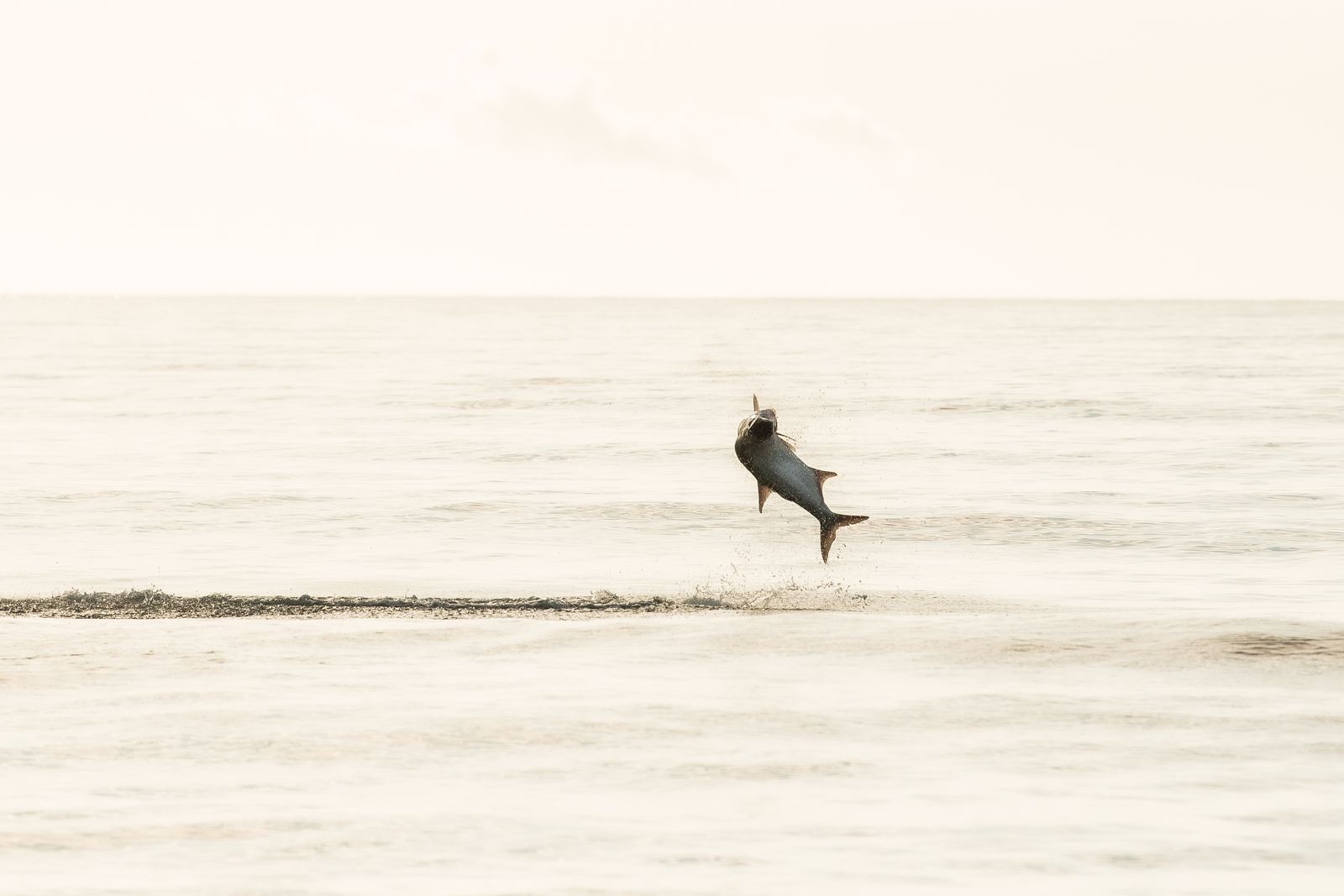
From May to July they follow the bait up the beach.
Find the Bait,
Find the Fish.
Tarpon on this coast are following food. From May the beaches carry threadfin herring and pilchards in the wash, and every falling tide pushes crabs and shrimp out of Sarasota Bay. The fish sit within a cast of that, which is why the boat looks for bait before it looks for tarpon.
That is what the first hour is for. Castnet threadfins off the beach or a bridge, pick up crabs, and the rest of the morning has something to offer a fish that has seen thousands of baits on its way up the coast. Crabs get saved for the outgoing tide — that is when tarpon expect them.
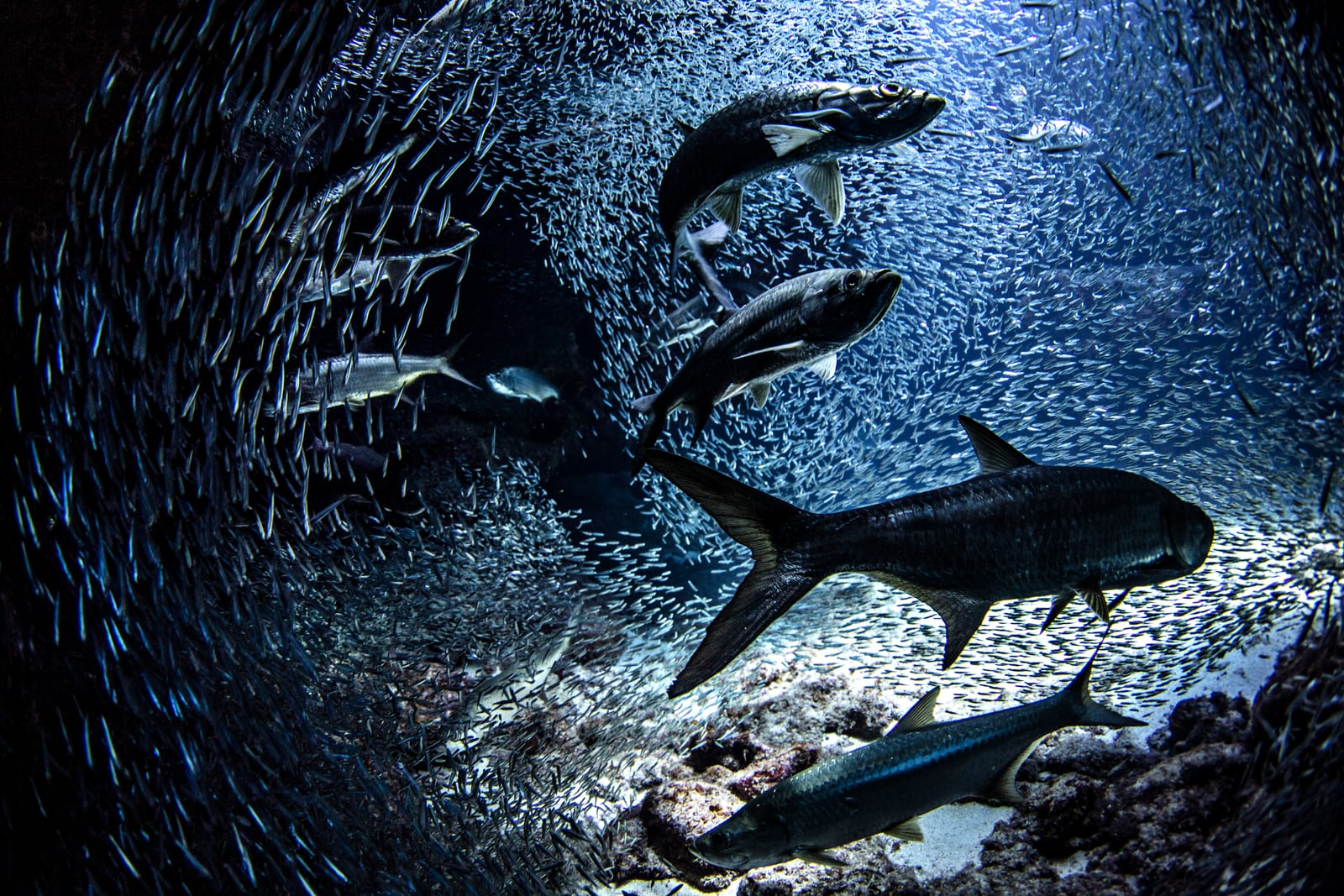
On the falling tide the passes flush crabs, and the tarpon line up to feed.
The Pass Does
the Work.
Big Pass, New Pass and Longboat Pass are the only doors between Sarasota Bay and the Gulf. Everything the bay flushes has to fit through them, so a falling tide turns miles of open bay into a few hundred yards of moving food. Tarpon hold on the down-current edge of the bar and let the water bring it to them.
- Moving water beats slack. The bite tracks the tide, not the clock — the hours either side of the change are the ones worth being on the spot for.
- New and full moons pull hardest. The big outgoing tides around them — hill tides — move the most crabs, and they are what Boca Grande is famous for.
- Wind decides beach or pass. A calm morning is sight-fishing along the sand; a chop moves the trip inside the pass, where the fish are still feeding.
- Low light plus a running tide is the best combination we get — which is why these trips leave in the dark.
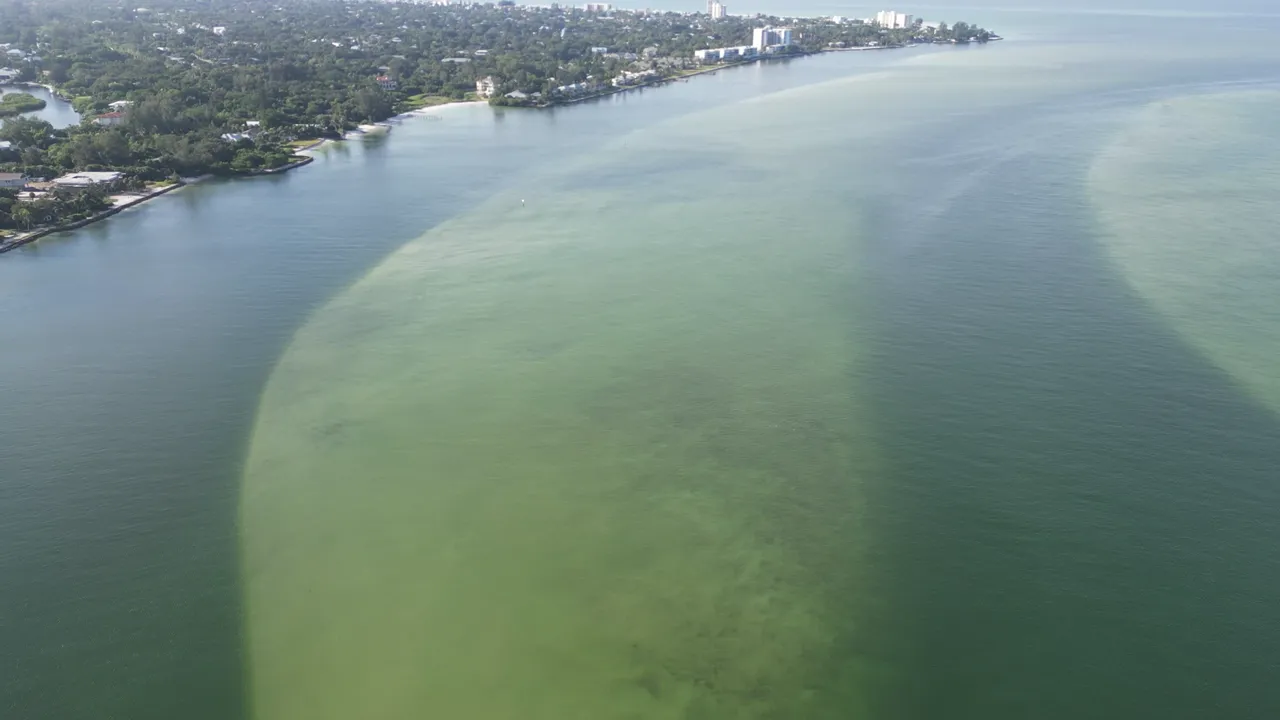
Tarpon stage on the bar where Big Pass empties into the Gulf.

How a Tarpon
Charter Works.
A tarpon charter targets migrating Megalops atlanticus — 80–150 lb fish — along the beaches from Anna Maria to Boca Grande, May through July. Trips run 6–8 hours and land broadly in the $800–$2,500 range depending on the boat, the captain, and whether you are fishing the beaches or Boca Grande Pass in peak season. Every fish is released: tarpon are catch-and-release only in Florida. Boca Grande Pass, 30 minutes south, holds roughly 20,000 tarpon at peak and calls itself the Tarpon Capital of the World.
Ranges, not quotes — season, species, weather, group size, and fuel all move the number. Call or text us for an exact quote on your dates.
What is a tarpon charter?
From May to July the Gulf beaches here carry a conveyor of migrating tarpon swimming in strings and daisy chains just off the sand. A tarpon trip is hunting: run the beach at first light, spot rolling fish, set up ahead of the string, and present a live crab or threadfin. When it works, a fish taller than your kid leaves the water head-shaking. Fights run 30–60+ minutes.
There are two distinct versions of this trip. Ask which one you’re booking:
| Style | Where | How it fishes |
|---|---|---|
| Beach / backcountry | AMI to Casey Key sand, harbor flats | Sight-fishing, casting to visible fish, spinning or fly |
| Boca Grande Pass | The Pass itself | Drifting live baits in a fleet on heavy conventional gear |
Same money, completely different experiences. Pass fishing is a numbers game in a crowd; beach fishing is visual and personal.
When exactly should you book?
| Window | What’s happening |
|---|---|
| April | Early fish, warming water; light pressure |
| May 1–15 | Migration builds; first consistent beach strings |
| May 15 – Jun 25 | Peak. Book these weeks 3–6 months out |
| Jul | Strong at Boca Grande; hill tides fire the Pass |
| Aug–Sep | Residents in the bays and harbor; night bite |
The famous trigger at Boca Grande is the “hill tide” — big outgoing tides around new and full moons that pull crabs through the Pass and turn the fish on. Check tide predictions at NOAA Tides & Currents against your dates.
What does a 6-hour tarpon trip look like?
| Time | What happens |
|---|---|
| 5:45 am | Meet — tarpon trips start in the dark |
| 6:15–7:00 | Castnet threadfins, buy crabs; run to the beach |
| 7:00–10:00 | Prime window: glass-calm light, rolling fish visible, repeated setups |
| 10:00–11:30 | Follow the fish — passes, harbor edges, or stay on the beach |
| 11:30–12:00 | Last shots, run home |
Expect hours of hunting punctuated by minutes of chaos. A “slow” morning with two bites is a normal tarpon day; a four-jump morning is one you’ll retell for years.
A hooked tarpon does not care about your schedule. Thirty to sixty minutes bent over a rod is normal, and the fight is easier sitting down — most tarpon boats carry a leaning post or a fighting chair for exactly that reason.
What are the rules on tarpon?
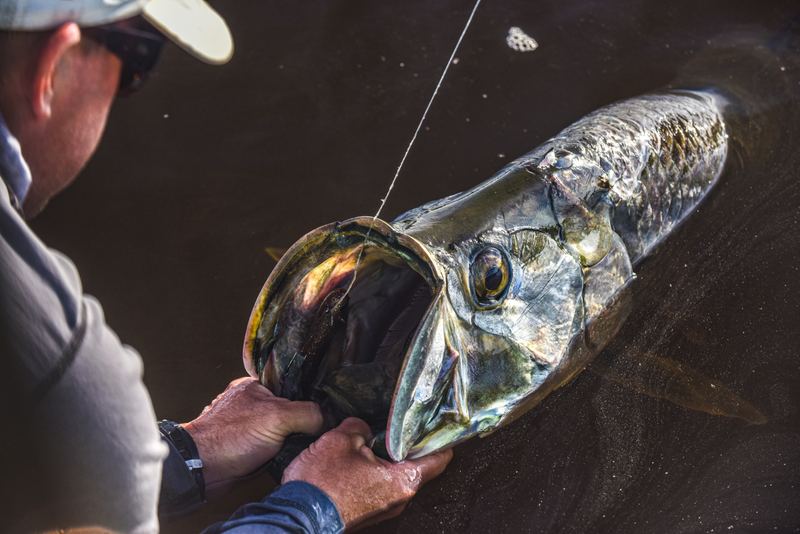
Catch-and-release only, statewide. One tarpon tag exists per angler per year solely for a potential IGFA world record. Fish over 40 inches must remain in the water — no dragging a 120-pounder over the gunwale for photos; boat-side shots are the standard. Gear restrictions apply in Boca Grande Pass, including a ban on the old bottom-weighted jigs. Full rules: FWC tarpon regulations. Handle fish fast, keep them wet, revive them fully — sharks patrol the Pass and tired fish get eaten.
Tarpon fishing in Boca Grande Pass
Boca Grande Pass is the deepest natural inlet on Florida’s Gulf coast—roughly 80 feet in the Hole—and concentrates more tarpon in May and June than any other location on earth. Charlotte Harbor drains through one cut, funneling crabs and baitfish over the 80-foot bottom where schools stack. The “Tarpon Capital of the World” title is bathymetry, not marketing. The pass holds roughly 20,000 tarpon at peak season.
On outgoing tides in peak season, dozens of boats move through the fleet in rotation. A hill tide—hard-running outgoing water around the new and full moon—flushes crabs through the pass and triggers the bite. Moon phase matters as much as calendar week. These tides anchor the entire season’s calendar.
Two methods coexist: live-bait drifting (boats set up at the up-tide edge, drop crabs or threadfin to the depths where fish hold 20–50 feet down, drift with the fleet) and beach fishing (anglers pole or trolling-motor ahead of tarpon schools at first light, present crabs or flies). The pass is a numbers game; the beach is visual.
Boca Grande Pass carries its own FWC gear and handling rules. Bottom-weighted “jigs” are banned. Fish over 40 inches stay in the water—boat-side shots only. A fast fight (minutes not hours) keeps fish away from the hammerheads that shadow the schools. Great hammerheads patrol the Pass; long fights tire fish.
Access runs through Placida, on the mainland side of the causeway. See Boca Grande for ramps, bait shops, and dockside restaurants.
When is tarpon season at Boca Grande?
The pass fishes April through July, peaking May–June on outgoing tides. April brings early fish with light pressure. May builds numbers; the Hole starts to fill. June is peak: outgoing tides run hard and hill tides (new and full moon) trigger the crab flushes the fleet plans its month around. July thins as fish spawn offshore.
Moon phase matters as much as calendar week. Pick the moon first and dates second. A hill tide is what the serious anglers plan around. NOAA publishes tide predictions at NOAA Tides & Currents; cross-reference those against new and full moon dates. Peak weeks (mid-May through mid-June) book 3–6 months ahead. Plan early or fish the beach schools outside the pass, equally productive without the crowds.
Tarpon fishing along the Sarasota coast: Anna Maria Island and Bradenton
From May to July the Gulf beaches along Sarasota carry migrating tarpon in strings and daisy chains just off the sand. This corridor extends from Casey Key north through Anna Maria Island into Bradenton—same fish, same season, same bite.
Beach fishing is visual. Tarpon roll near the surface; silhouettes read from hundreds of yards away. Sight fish from first light: spot rolling fish, set up ahead, present a live crab or threadfin. When it works, a fish taller than your kid leaves the water head-shaking.
Anna Maria Island fishes the flats and pass structure at the north end. Bradenton’s action concentrates between Longboat Pass and Palma Sola Bay. Water is shallow for the first few miles off sand, so fish roll close to shore. Sight fishing works even for light-tackle anglers. A good morning on the flats costs no more than a Boca Grande drift, and in peak season with a specialist guide, hooking 1 to 5 fish per trip is realistic.
Beach fishing is personal in a way the Boca Grande fleet is not. Crowds concentrate at the pass; Sarasota, Anna Maria, and Bradenton beaches offer the same migration with solitude. Timing mirrors Boca Grande: May 15–June 25 is peak. Anna Maria and Bradenton offer alternatives if Sarasota books out.
What tackle does a tarpon charter use?
Tarpon tackle is heavy for a reason. Pass fishing uses conventional reels and casting rigs; the beach uses spinning tackle and fly rods. Both demand gear engineered for strength and speed.
Pass setups carry 60–80 lb monofilament leaders and 5/0–7/0 circle hooks. Rods have lifting power. A fight measured in minutes instead of hours keeps fish away from great hammerheads that shadow the schools. Fast, efficient pressure gets the tarpon to the boat and alive. Bow to every jump, keep big fish in water, cut the leader close rather than lifting for photos.
Beach sight-fishing uses conventional or modern lever-drags on spinning reels, 30–50 lb braid backing 60-pound fluorocarbon leader. Fly tackle runs 10–12 weight rods with 60-pound tippets. Same across all methods: present a live crab, small fish, or fly to visible tarpon and hang on.
Live bait matters as much as the rod. Live crabs—blue crabs or lady crabs—are primary. Threadfin and pilchard herring are backups. Every charter includes bait capture and management; crews castnet threadfins at start and collect live crabs from the marina before departure.
Ranges, not quotes — the boat, the captain, and the season all move the number, and we work with everything from budget-friendly operations to high-end boats with specialist captains. If price is the limiting factor, tell us and we will find something that fits. Full breakdown: charter prices guide.
Related
Everything about the fish itself — biology, migration timing, spots — lives on our tarpon species page. The sight fishing and fly fishing guides cover the casting skills that convert shots into jumps; the fly fishing charter page covers booking that specific trip. Tarpon roll at night too — see night fishing. Fishing the south end of the range? Start at Boca Grande; the beach migration is equally good off Anna Maria Island.
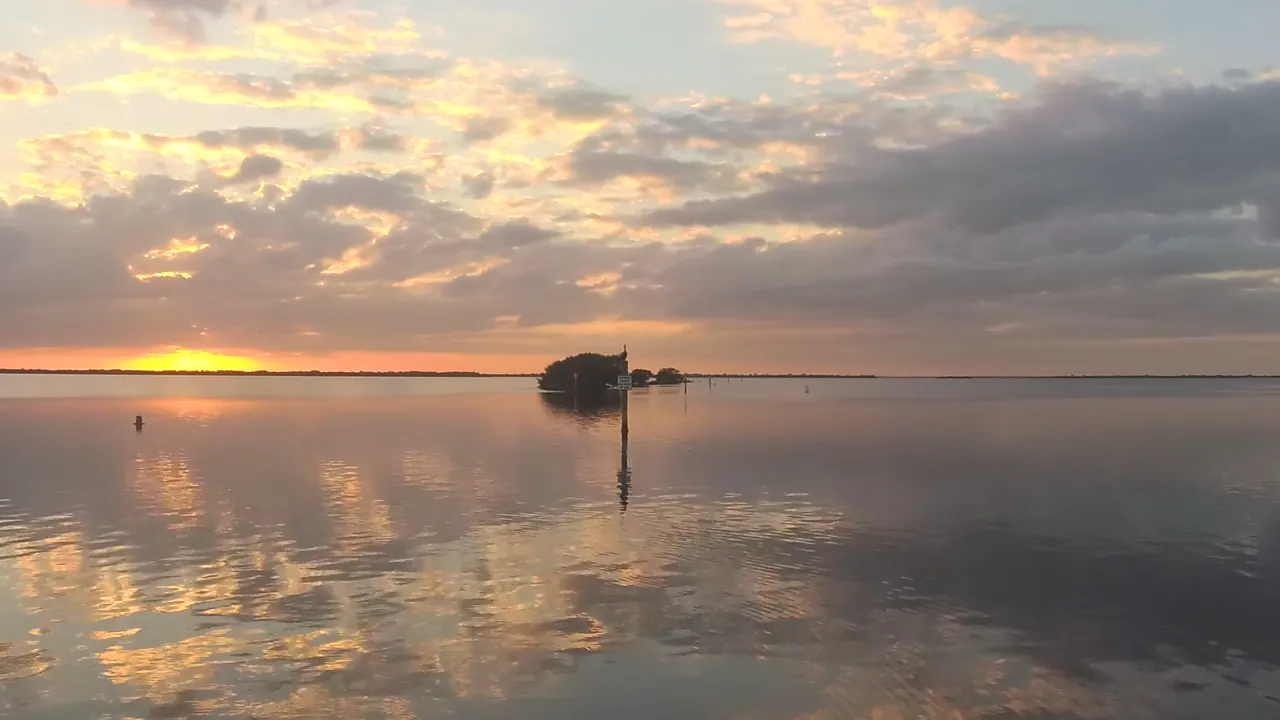
The best tarpon windows bookend the day.
The Silver King.
Chrome in the light, airborne at dawn.
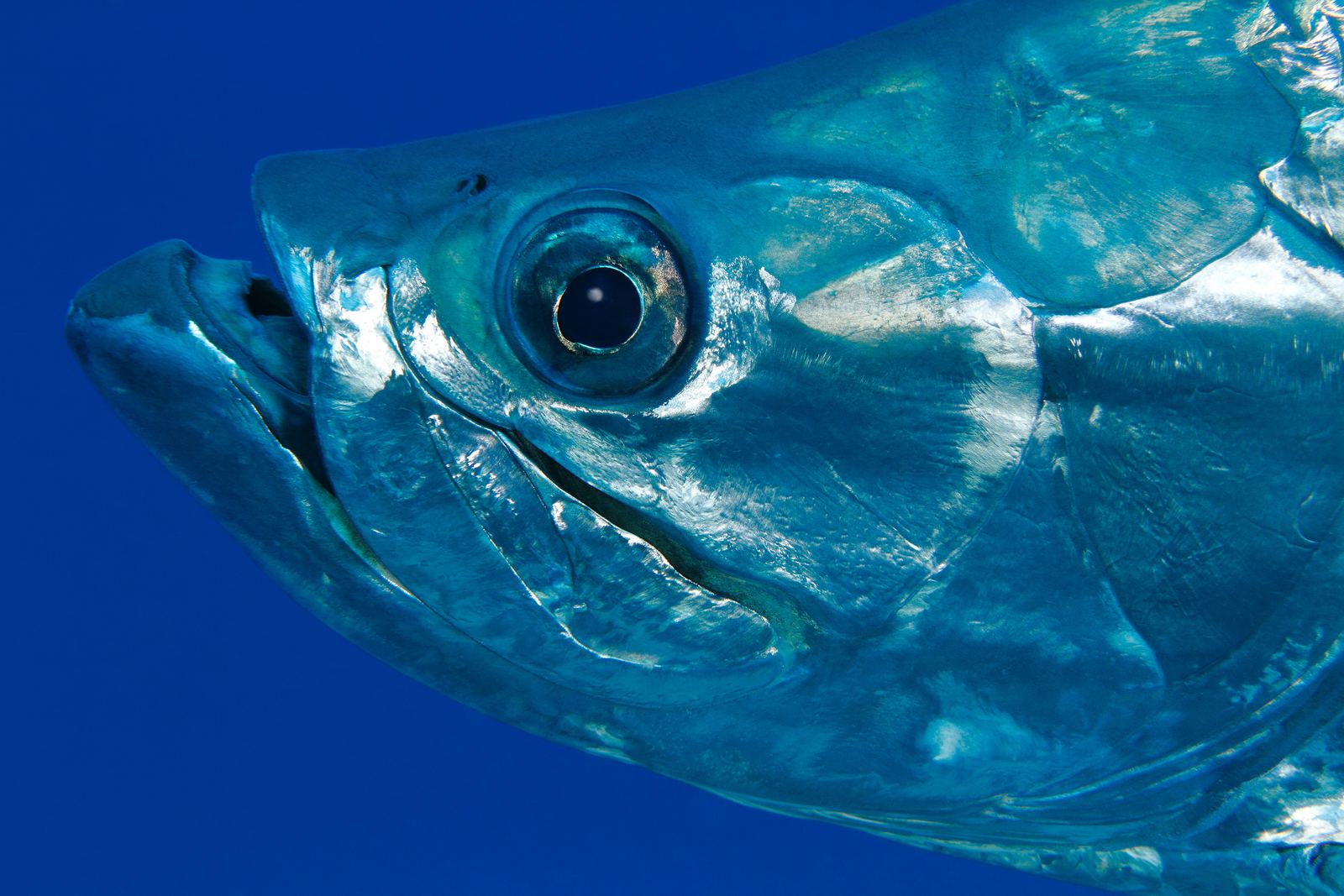
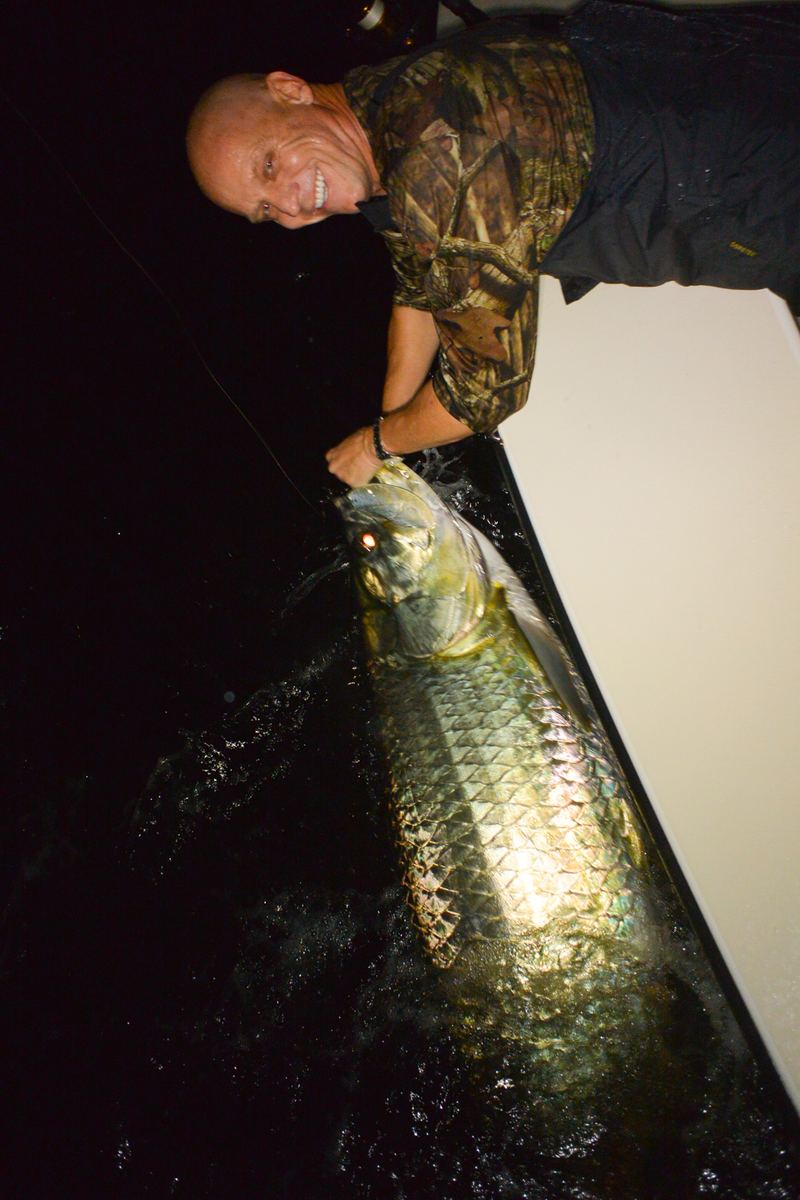
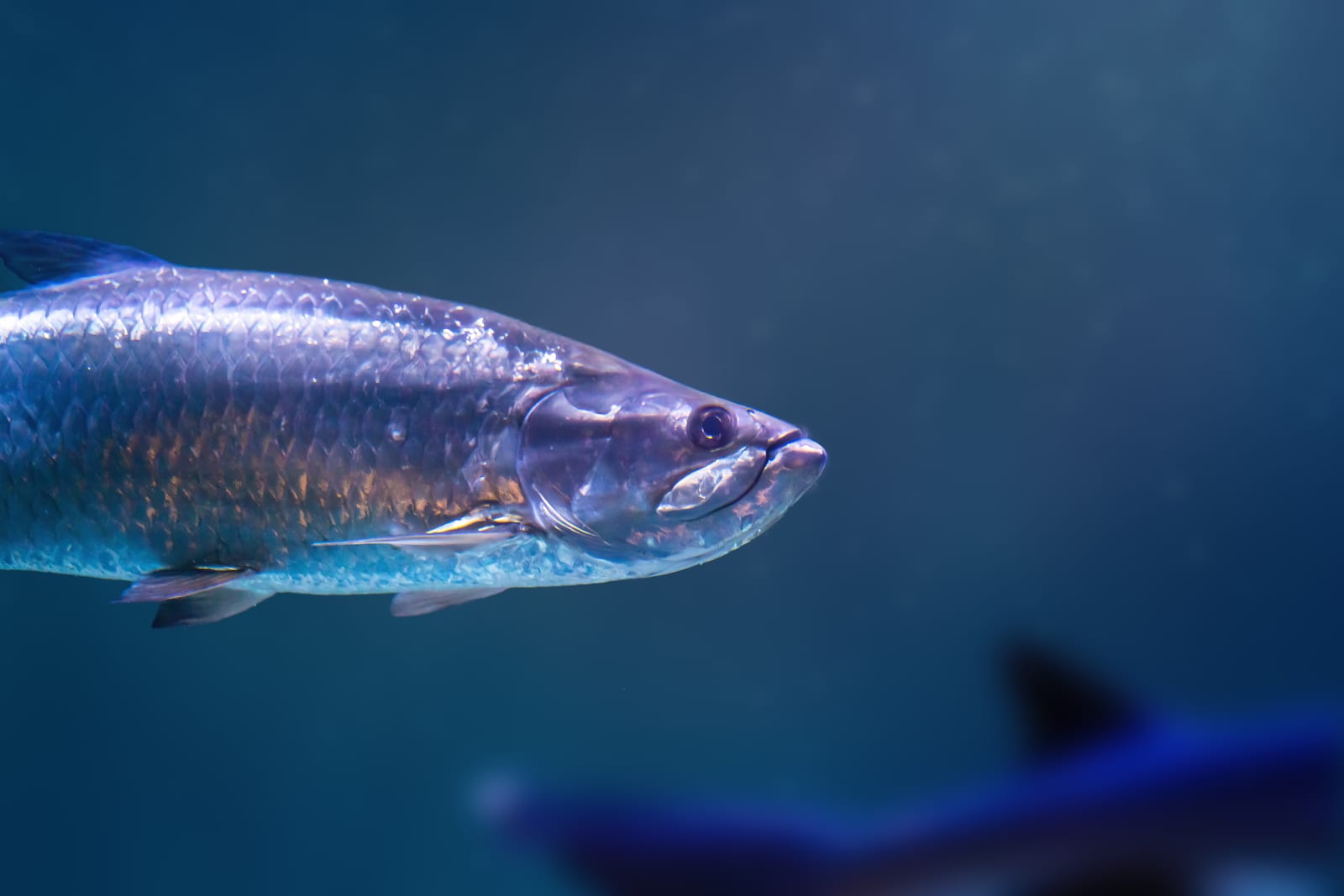
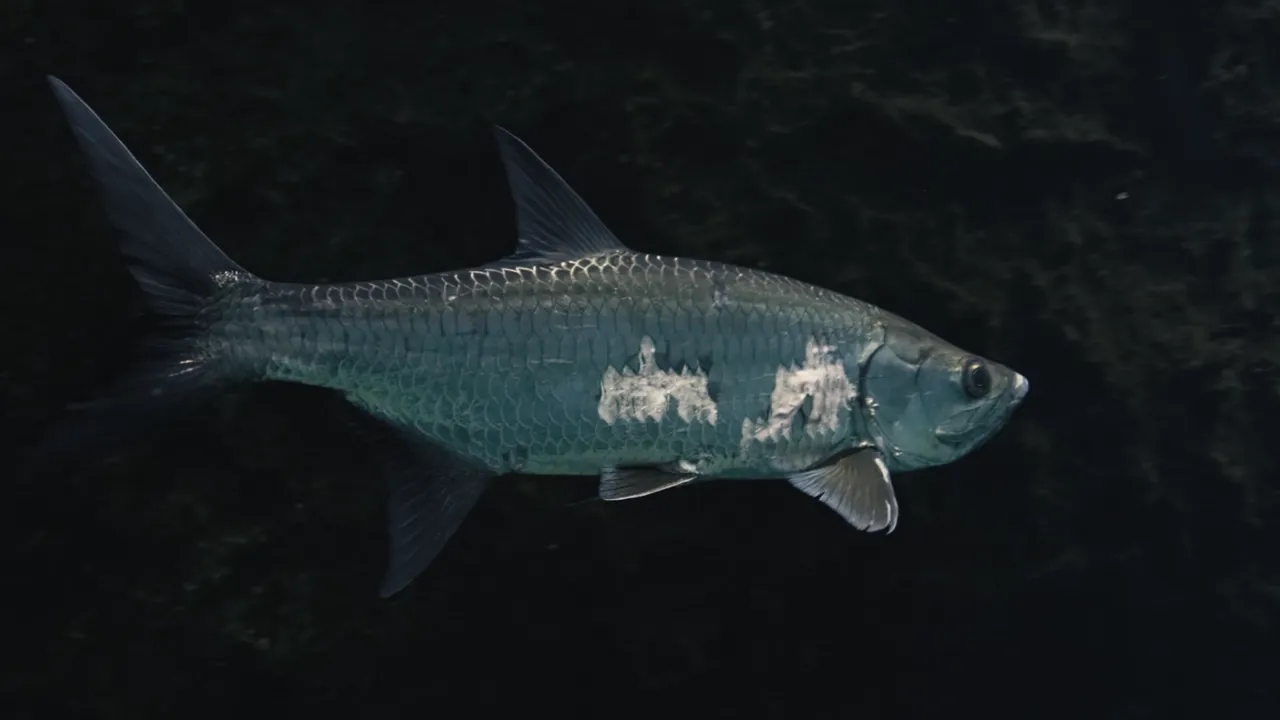
Thirty minutes to Boca Grande — the Tarpon Capital of the World.
Tarpon FAQ.
When is tarpon season in Sarasota?
How much does a tarpon charter cost?
Can you keep a tarpon in Florida?
What are the odds we actually jump a tarpon?
Is a tarpon trip good for kids or first-timers?
Book a Tarpon Trip.
Send an inquiry pre-filled for a tarpon charter and we'll match you with a specialist for your dates — Sarasota beaches, the passes, or Boca Grande. The May–July window fills early.